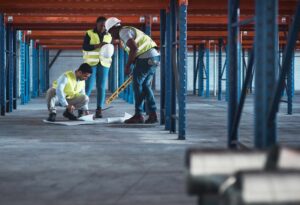
Retail buildouts don’t succeed on installation day.
They succeed weeks earlier, when teams understand the space they’re walking into.
In today’s retail environment, timelines are tighter, stores stay open during work, and brand consistency matters more than ever. A single missed detail can delay an opening, disrupt staff, or force last-minute changes on site. This is why site surveys play such a critical role in modern retail buildouts.
A site survey creates clarity before work begins. It removes guesswork, aligns teams, and helps installations move faster and cleaner, especially in live retail environments.
The Modern Retail Buildout Landscape
Retail buildouts run on tight clocks. Open dates are locked early, and everything else is expected to line up around them. There is rarely extra time built in to fix surprises.
What causes problems is not the big stuff. It is the small details that never make it into drawings. Ceiling heights change from one area to the next. Walls are framed differently than expected. Access is tighter once you start moving materials. Those issues usually show up after crews are already on site.
When that happens, work slows down. Decisions stack up and even the costs follow.
This is not unique to retail. The U.S. Government Accountability Office has flagged site condition gaps and coordination issues as common reasons commercial projects fall behind schedule.
The National Institute of Standards and Technology has also pointed to incomplete planning and inaccurate site information as drivers of cost overruns.
In retail buildouts, these problems tend to surface on install day, when changes are hardest to absorb and timelines are already under pressure.
What is a Retail Site Survey?
In an installation context, a retail site survey is a structured walkthrough of a store that captures real-world conditions so fixtures, signage, and millwork can be installed accurately and on schedule.
It is not about redesigning the store or producing architectural drawings.
It is about validating reality.
A site survey confirms what the space actually looks like, where constraints exist, and how installation should be approached. The goal is simple: make sure crews arrive prepared, not surprised.
What’s Included in a Retail Site Survey for Buildouts
A retail site survey answers one thing early. Can the install happen as planned, without slowing the job down?
The focus stays on details that affect real work on site, not long checklists.
Interior Measurements That Affect Installs
Most install issues come down to space being tighter than expected. Surveys confirm widths, heights, and clearances so fixtures, counters, and displays fit the way they should before materials arrive.
Wall, Ceiling, & Floor Conditions
Stores rarely behave like drawings suggest. Ceiling heights shift, walls are not always suitable for mounting, and floors are not perfectly level. A site survey captures these conditions early so installs can be planned correctly.
Store Access & Movement Paths
Installs start at the door, not the fixture. Surveys account for how materials enter the store and move through it, which matters even more when locations stay open during work.
Existing Elements That Affect New Work
Most buildouts involve working around fixtures, architectural features, or branded elements that stay in place. Surveys clarify what can move and what cannot, so new installs fit cleanly.
Visual Documentation For Coordination
Photos and field notes give everyone the same reference before work begins. Fewer questions come up later because the conditions are already documented.
Why Site Surveys Improve Retail Buildout Accuracy
Accuracy in retail buildouts is not about perfection. It is about reducing unknowns before work begins.
Eliminating Guesswork Before Install Day
Without a site survey, teams rely on assumptions. With a survey, decisions are based on verified conditions. This shift alone reduces errors and rework.
Aligning Plans With Real-World Conditions
Drawings are a starting point. Site surveys confirm whether those plans align with what exists on site, allowing teams to adjust sequencing or approach before installation begins.
Supporting Cleaner, Faster Installations
When crews know what to expect, work moves faster. Installations stay on schedule, and fewer issues need to be resolved in real time.
Site Surveys in Live Retail Environments
Most retail work happens while stores remain open. Customers are shopping. Staff are working. Brand perception is always at stake.
Working Around Customers & Staff
Site surveys help teams plan installations that respect store operations. They identify constraints that affect timing, access, and sequencing without disrupting the customer experience.
Supporting Phased Installs & Changeovers
Surveys make it possible for the teams to schedule their work in phases according to the operational windows, no matter if there is a refresh, a campaign transition, or an overnight install.
Protecting the in-Store Experience
Site surveys tackle the problems from the very beginning and consequently lessen the noise, clutter, and delays during installation in such a way that they cannot disturb the stores’ welcoming atmosphere even when the work is in progress.
How Site Surveys Support Multi-Location Rollouts
As retail programs scale, consistency becomes harder to maintain.
Why One Plan Never Fits Every Store
Even standardized locations differ. Ceiling heights, wall layouts, and access paths vary from site to site. Surveys reveal these differences before they cause problems.
Identifying Location-Specific Constraints Early
A site survey surfaces what makes each location unique, allowing teams to adjust plans without slowing the rollout.
Creating Predictable Rollout Timelines
When teams know what to expect at each location, scheduling becomes more reliable. Rollouts stay coordinated across regions and markets.
The Role of Site Surveys in Pop-Ups and Seasonal Builds
Temporary builds move fast and leave no room for delay.
Faster Setup in Short-Term Spaces
Pop-ups often occupy unconventional spaces. A site survey ensures fixtures and displays fit correctly the first time.
Reducing Last-Minute Adjustments
Short timelines make rework especially costly. Surveys help teams avoid on-site fixes that eat into setup windows.
Keeping Pop-Ups On Brand & On Time
Even temporary spaces must reflect the brand accurately. Site surveys support clean execution under tight deadlines.
Turning Site Survey Data Into Clear Execution
Collecting site data only matters if it helps teams do the work better.
When survey information is clearly documented and easy to reference, installers know what they are walking into before they arrive. Project managers can sequence work more accurately. Stakeholders can review conditions without guessing or waiting for clarification. This shared understanding reduces delays and keeps decisions moving forward.
Good site surveys turn unknowns into knowns. They give teams a common reference point from planning through install, so execution stays steady instead of reactive.
Common Retail Buildout Challenges Site Surveys Help Prevent
Most issues that slow down retail installations are not complex problems. They are basic details discovered too late.
Site surveys help avoid fixtures arriving that do not fit the space as expected. They surface obstructions that block installs before crews are on site. They reduce rework caused by incorrect assumptions about dimensions or mounting conditions. They also clarify where signage, displays, and branded elements can actually be installed.
By addressing these realities early, teams protect timelines, control costs, and maintain brand consistency across locations.
When Retailers Should Schedule a Site Survey
Timing matters as much as accuracy.
Site surveys deliver the most value when they happen before key decisions are locked in. This includes new store openings, remodels or refreshes, fixture and signage updates, pop-ups, seasonal campaigns, and multi-location rollouts.
Early visibility allows teams to plan with confidence instead of adjusting under pressure. The result is smoother execution and fewer surprises once installation begins.
How Site Surveys Help Stores Open Faster
Retail timelines protect revenue. Every delayed opening has a cost.
Site surveys reduce install-day surprises, improve crew efficiency, and help teams keep launch dates intact. When execution matches reality, stores open on time and on brand.
Conclusion: Why Site Surveys Are a Retail Buildout Essential
Retail buildouts work better when there are fewer surprises on install day.
Site surveys help teams understand the space before crews arrive. They surface constraints early, keep schedules realistic, and reduce the fixes that slow projects down once work starts. This matters most in live stores, pop-ups, and multi-location rollouts where timing and consistency are tight.
If you are planning a store opening, refresh, or rollout, Teamwork helps projects start with clear site information and finish as planned.
Frequently Asked Questions
To document real-world store conditions so installations can be completed accurately and on schedule.
It depends on store size and scope, but surveys are designed to minimize disruption to operations.
Yes. Even temporary builds benefit from accurate site information to avoid delays.
As early as possible, before installation schedules and plans are finalized.