Behind the Scenes: How Brands Prepare Installations for Sporting Events

The fan experience at major sporting events begins its development process before the first game of the event. The installation process for each fan zone and branded space begins with site surveys and requires multiple teams to work together before executing installation work according to strict time limits.

Global sporting events are experienced. From stadium fan zones to branded pop-ups across cities, every touchpoint is carefully built to bring fans closer to the action. What most people never see is what happens behind the scenes to make those moments real.

Over 200 million people attend professional sporting events annually in the U.S., turning these events into massive physical engagement opportunities. At the same time, the global sports sponsorship market is expected to exceed $109 billion by 2030, fueled by events like the Olympics and FIFA World Cup.

That scale brings one clear reality. Every experience people remember is built through precise, on-ground execution.

Why Sporting Events Have Become Full-Scale Brand Environments

A complete understanding of the execution process requires recognition of the existing shift, which must be understood first. The current state of sporting events goes beyond their original purpose as competitive matches. Athletic competitions have transformed into wide-ranging cultural events that consistently display brand competition for market share through customer engagement and brand memory retention. Fans no longer want passive exposure. They expect interaction. People want to enter a space they can touch and then share with others instantly.

The expansion of events now extends beyond their original boundaries, including stadiums. The cities that host events function as extensions of those events. The entire event experience reaches into all areas, including retail locations, public roads, and temporary setup areas. Physical spaces shared through social media platforms now hold greater value than before. 

A properly constructed installation exists to benefit attendees who are present at the time. The installation functions as an executable element, creating virtual content that extends beyond its physical location.

The present experience holds equal importance to the actual event.

What “Installation” Really Means at a Global Sporting Event

Most people think installations are just signage or booths. In reality, they are structured environments designed for both function and experience.

Branded Fan Zones and Experiential Spaces

These are temporary environments built for interaction. Fans participate in games, activities, and branded experiences designed to keep them engaged longer.

Retail Pop-Ups and Merchandise Spaces

Pop-ups are designed for speed and volume. They need to handle high traffic while maintaining a clean, organized brand presence.

Stadium Graphics and Wayfinding Systems

These include directional signage, branding overlays, and sponsor placements across large venues. Accuracy and placement matter here.

Custom Millwork and Display Builds

These are physical structures like counters, panels, and branded setups that define the visual identity of a space.

Types of Installations at Mega Events

Installation Type

Purpose

Timeline Sensitivity

Fan Zones

Engagement and interaction

Extremely high

Pop-Up Retail

Revenue generation

High

Stadium Signage

Branding and navigation

Fixed deadlines

Experiential Displays

Social and brand storytelling

High

Each of these elements must come together seamlessly. Even a small delay or inconsistency affects the overall experience.

The Real Timeline: How Early Planning Starts Months in Advance

Execution doesn’t start on event day. It starts months before.

Every installation follows a structured process. There is no room for improvisation at this scale.

Pre-Event Site Surveys and Measurements

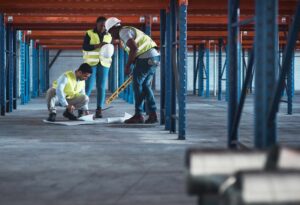
Teams visit each location to capture accurate dimensions, access points, and environmental constraints. This step prevents costly surprises later.

Coordination With Multiple Stakeholders

Execution involves coordination between agencies, designers, sponsors, and venue teams. Everyone must align before installation begins.

Material Planning and Scheduling

All materials must arrive exactly when needed. Early delivery creates storage issues. Late delivery delays execution.

Installation Windows Are Extremely Tight

Most installations happen in limited time windows. Overnight builds and restricted access schedules are common.

There is no flexibility in timelines. Every hour impacts the launch.

Why Execution Breaks More Campaigns Than Strategy

Most brands invest heavily in creative direction and sponsorships. But execution is where things often fall apart.

Delays can lead to missed exposure during peak moments. Inconsistent builds can weaken brand perception. Poor coordination can create operational challenges across teams.

A campaign might look perfect on paper. But if it is not ready on-site, it does not exist.

Execution is not the final step. It is what determines whether everything else works.

The Role of On-Ground Teams in Bringing Concepts to Life

This is where execution partners like Teamwork operate.

They do not design the experience. They ensure it is built exactly as planned.

Fixture and Display Installation

Structures are installed according to design specifications, with no deviation.

Signage and Graphics Application

Brand elements are applied across surfaces to maintain consistency and visibility.

Custom Millwork Assembly

Physical components are installed with precision to match the intended design.

Multi-Location Rollouts

The same setup is executed across multiple locations while maintaining consistency.

Execution teams translate plans into physical environments. Their work determines how the brand is experienced on-site.

Multi-City Rollouts: The Hidden Complexity Most Brands Underestimate

Mega sporting events rarely happen in a single location.

The Olympics span multiple venues. The World Cup spans multiple cities. National campaigns often cover dozens of locations.

Each location brings its own challenges:

  • Different layouts
  • Different access restrictions
  • Different timelines

At the same time, the brand experience must remain consistent across all locations.

Single Location vs Multi-Location Execution

Factor

Single Location

Multi-Location Rollout

Coordination

Moderate

Complex

Timeline Pressure

High

Extremely high

Consistency Risk

Low

High

Resource Planning

Localized

Nationwide

Scaling execution while maintaining consistency is one of the most difficult aspects of these projects.

Speed vs Precision: Why Both Matter in Event Installations

Speed alone is not enough. Precision alone is not enough.

Speed ensures that deadlines are met and events launch on time. Precision ensures that brand standards, structural integrity, and visual quality are maintained.

If execution is fast but inaccurate, the experience suffers. If execution is precise but slow, the opportunity is lost.

Successful installations balance both.

How Real-Time Visibility Changes Everything During Installations

One of the biggest challenges in large-scale installations is lack of visibility.

The Problem

Teams managing the project are not always on-site. They rely on updates from multiple sources, which can lead to delays in decision-making.

The Solution

Platforms like CONNEXT provide:

  • Live updates
  • Site photos
  • Timeline tracking

The Outcome

Teams can track progress without being physically present. Issues are identified early. Coordination improves across locations.

Execution is no longer blind. It is trackable.

What Smaller Brands Can Learn From Mega Event Installations

Not every brand operates at the scale of global sporting events. But the principles remain the same.

Execution still defines success. Planning still needs to start early. Consistency still matters across locations.

Even smaller campaigns benefit from:

  • Clear execution planning
  • Focus on physical experience
  • Structured coordination
  • Real-time visibility

Strong execution is not limited to large budgets. It is a process.

The Future of Brand Installations in Sports

Brand installations are evolving quickly.

We are seeing a shift toward:

  • More immersive physical environments
  • Increased use of interactive elements
  • Expansion into multiple locations
  • Higher expectations for speed and consistency

As expectations grow, the importance of execution will only increase.

The gap between planning and execution will become more visible. Brands that manage this well will stand out.

Execution Is What Makes the Moment Real

Global sporting events create moments that millions remember. But those moments are not accidental. They are built, installed, and executed with precision behind the scenes.

If your brand is planning a retail rollout, pop-up, or large-scale installation, the difference between success and failure often comes down to execution.

Teamwork helps bring those plans to life on-site, on time, and on brand, with full visibility throughout the process.

Frequently Asked questions

They are physical setups such as fan zones, signage, retail pop-ups, and experiential displays designed to engage audiences during events.

Planning typically begins months in advance, especially for large-scale or multi-location activations.

Without proper installation, even the best campaign ideas cannot be experienced by the audience.

Common challenges include tight timelines, coordination across teams, and maintaining consistency across locations.

They use project tracking systems that provide real-time updates, site photos, and centralized timelines.

Teamwork inc logo

At Teamwork, we’re proud of our experienced and dedicated team, who work together seamlessly to deliver top-tier retail rollouts, remodels, and brand activations. Each member brings a unique skill set and a passion for excellence, ensuring every project is executed with precision.