Your storefront is not just a product display; it is a narrative told long before potential customers enter the store. In retail, first impressions have always mattered, and now they are even more important. The right retail storefront design can attract customers, build trust in your brand, and influence how people feel about the shopping experience ahead.
Good retail storefront design combines bold, readable signage, an engaging window display, a welcoming entrance, effective day and night lighting, and a look that reflects the brand inside. Regular updates and proper maintenance keep the storefront appealing. This guide covers 11 design tips, common storefront types, real-world examples, and practical ways to improve your store’s exterior.
Whether you’re opening a new location or refreshing an existing one, thoughtful retail decor can help your storefront stand out without requiring a complete redesign.
What Is Retail Storefront Design?
Retail storefront design covers everything shoppers see from the street before entering a physical store, including the façade, signage, windows, entrance, lighting, and exterior graphics. It’s also known as shopfront or shop front design.
A storefront has three main jobs: help shoppers recognize the business, give them a reason to stop, and make entering feel easy. Every design decision should support at least one of these goals.
Why a Strong Storefront Matters
First Impressions Happen Fast
People often make quick decisions about whether a store looks worth exploring. Clean glass, readable signage, and a well-arranged entrance help communicate that the business is professional and cared for. A storefront is not just an exterior finish; it is an opportunity to introduce the shopping experience before it begins.
Your Storefront Builds Brand Identity
Think of your storefront as your brand’s signature. Colours, materials, typography, lighting, and display choices tell people something about the business. A contemporary technology store may use glass and clean lines, while a neighbourhood boutique might rely on warm materials and personal details.
When the exterior feels connected to the interior, customers get a more consistent impression of the brand.
A Better Storefront Encourages Foot Traffic
A fresh display or seasonal update can give passers-by a reason to look again. Regular changes help prevent the storefront from becoming part of the background, particularly on busy shopping streets where several businesses compete for attention.
Types of Retail Storefronts
The shape and structure of your storefront influence which design choices will work best.
Storefront type | What it is | Best for | Design tip |
Flat (straight) | Façade and door sit flush with the sidewalk | Main-street shops and boutiques | Make signage and window displays the focal points. |
Recessed (arcade) | Entrance sits behind the front façade, with windows alongside | Fashion, jewellery, and specialty retail | Light the side displays to encourage shoppers toward the entrance. |
Angled entrance | Windows and entrance face the street at an angle | Corner units and wide frontages | Position displays for visibility from both directions. |
Corner storefront | Two street-facing sides | Cafés, convenience stores, and flagships | Use both façades for branding and keep the corner visible. |
Open-front | Store opens directly onto a mall concourse | Mall retailers | Keep the first few feet clear and inviting. |
All-glass | Floor-to-ceiling glazing | Technology, fashion, and premium brands | Treat the illuminated interior as part of the display. |
Pop-up or kiosk | Temporary or freestanding retail unit | Seasonal campaigns and brand activations | Use modular fixtures and removable graphics for easier changes. |
11 Retail Storefront Design Tips That Work
A storefront sign is often the first thing customers notice, so it should make your business easy to identify at a glance. The right signage combines readability, visibility, and brand consistency to help your store stand out without overwhelming the rest of the storefront.
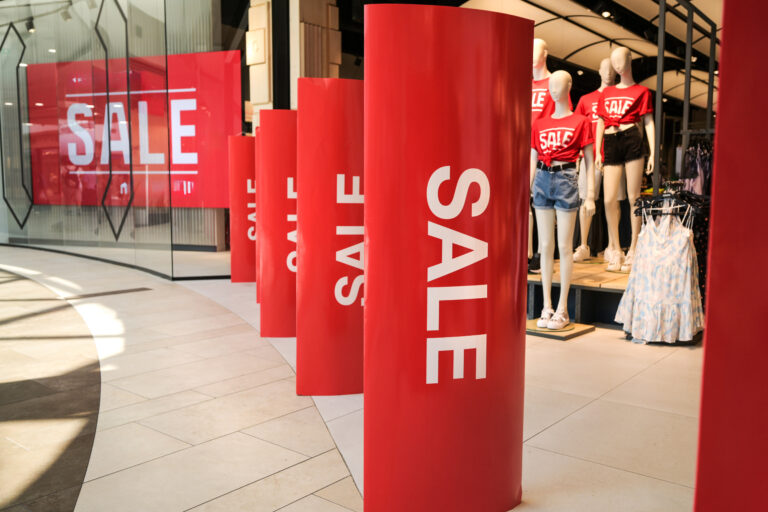
1. Use Bold, Readable Signage
Your store name should be easy to recognize without making people stop and work out what it says. Choose legible lettering, clear contrast, and a size suited to the distance from which customers will see the sign. Decorative fonts can look appealing up close but become difficult to read from across the street.
Professional sign and graphics installation helps give the storefront a clean, finished appearance. Depending on the building and brand, options may include illuminated lightboxes, dimensional lettering, or vinyl graphics.
Before producing signage, check local requirements for sign dimensions, illumination, placement, and projections. It is also worth viewing a proof from across the street, both during daylight and after dark.
2. Create Window Displays That Tell a Story
A window display should do more than show a selection of products. It should give people a reason to care about them. Choose one main product or collection, then build the display around a simple theme, use case, or seasonal idea.
For example, a home furnishings store could create a small living-room scene rather than lining up individual products. A fashion boutique might style a complete outfit with a few complementary accessories.
Vary the height of products, introduce a few contrasting textures, and use focused lighting to create depth. Leave enough open space for the main items to stand out. A crowded window can make even attractive products difficult to notice.
Keep the display clean, too. Dust, faded props, and outdated promotions can undermine the impression you are trying to create.
3. Keep the Entrance Open and Welcoming
The entrance should make the next step obvious. Avoid placing boxes, promotional stands, or oversized displays where they obstruct the doorway. Customers should be able to see where to enter and approach it without navigating around unnecessary obstacles.
Planters, a branded entrance mat, or a small directional sign can add character when there is room for them. The aim is to make the entrance feel inviting without turning it into another display area.
Accessibility should be part of this decision from the start. Under the 2010 ADA Standards, an accessible door opening generally needs at least 32 inches of clear width, subject to the standards’ measurement conditions and applicable requirements. The accessible route must also meet relevant requirements. Check the applicable standards and local building rules before finalizing the entrance.
4. Let Your Retail Decor Reflect Your Brand
Your storefront should give customers a sense of what they will find inside. Materials, colours, finishes, and graphics can help establish that connection.
A premium retailer might use refined finishes and custom millwork to create a polished appearance. A creative shop could use a mural, wrapped column, or textured wall graphics to express a more distinctive personality. A practical, value-focused store may benefit from simple materials and straightforward signage.
The goal is not to make every surface decorative. Choose a few recognizable brand elements and use them consistently. Professional custom millwork installation can help bring approved designs to life with a precise, finished look.
5. Rotate Displays to Keep Interest High
A display that stays unchanged for months can become easy to overlook. You do not need to rebuild the entire storefront every time you want to create interest. Changing product groupings, replacing a focal item, or updating a few props can make the window feel different.
Set a display calendar around new collections, campaigns, and seasonal changes. A small refresh every few weeks can help keep the storefront current, while larger changes can coincide with major retail periods.
For brands operating across several locations, consistency matters as much as freshness. A shared display plan, standard graphics package, and installation guide can help stores maintain the same campaign look. Asking each location to submit a photo of the finished display also makes it easier to check execution.
6. Use Lighting to Guide the Eye
Lighting affects how the storefront looks during the day and whether it remains visible after sunset. Inside the window, focused lighting can draw attention to a hero product, while softer illumination can create atmosphere around the display.
Exterior lighting also helps customers identify the entrance and read the signage after dark. Avoid relying on a single harsh light that creates glare or leaves important areas in shadow.
Choose the colour temperature to suit the products and brand. Warm white light, around 2700–3000K, can create a welcoming feel for fashion, home, and food retail. Cooler light, around 4000K, may suit technology or pharmacy settings. These are starting points, not fixed rules; test the lighting against the actual materials and products before installation.
7. Fine-Tune the Storefront Layout
A storefront can look attractive in a photograph but still be awkward to approach in person. Keep the route to the entrance clear, position displays where they can be seen from the street, and avoid placing fixtures where they interrupt movement.
Think about the view from outside, too. If customers can see a distinctive product display or a focal point farther into the store, they may have a clearer reason to enter and explore.
A well-planned store fixture setup helps maintain clear sightlines and a comfortable entrance. During a new build or remodel, accurate installation matters because even small differences in fixture placement can affect the final layout.
For multi-location projects, Teamwork’s CONNEXT platform gives clients access to project updates, site photos, and timeline information as work progresses.
8. Bring in Seasonal Energy
Seasonal storefronts give customers something new to notice. A holiday window, a summer colour scheme, or a display tied to a local event can refresh the store without requiring a complete redesign.
Start with one clear theme and a manageable number of elements. Temporary window graphics, themed props, and changeable promotional signs can create a noticeable difference while keeping future updates practical.
For larger campaigns, prepare the artwork, quantities, and installation schedule well before launch. Coordinating these details is particularly important when the same seasonal display needs to appear across multiple stores. Teamwork’s retail pop-up installation strategies offer related ideas for temporary retail environments and campaign buildouts.
9. Celebrate Local Culture
A storefront does not have to look exactly like every other location belonging to the same brand. Local materials, artwork, colours, or architectural details can help a store feel connected to its neighbourhood.
Consider a mural inspired by a nearby landmark, graphics that reflect local interests, or materials that complement the surrounding buildings. The details do not need to be elaborate to make the storefront feel relevant.
Starbucks’ Kyoto Ninenzaka Yasaka Chaya store is a useful example of this approach. Located in a traditional Japanese townhouse, it reflects the surrounding setting rather than relying on a conventional modern storefront. The broader lesson is to adapt to the local environment while keeping recognizable brand elements.
10. Use Changeable Signage for Promotions
Promotional signage should be easy to update when prices, offers, or campaigns change. Lightboxes, poster holders, snap frames, A-frame boards, removable window vinyl, and digital screens are all options, depending on the store and location.
Keep each message short. A passer-by may have only a few seconds to read it, so one clear offer is usually more effective than a window full of competing messages.
Make sure temporary signs do not cover the main brand name, obscure the products, or block the entrance. Professional graphics installation can also help ensure that vinyl and promotional materials sit straight and look consistent across locations.
11. Keep It Spotless and Maintained
Even a well-designed storefront loses its impact when the glass is dirty, lettering is peeling, or exterior lights have stopped working. Maintenance is part of the design, not a task to consider only when something breaks.
A simple routine can help:
- Clean the glass and entrance daily.
- Check illuminated signs and exterior lighting regularly.
- Inspect window graphics, vinyl, and finishes for fading or damage.
- Replace worn promotional materials promptly.
- Schedule site surveys to identify issues with signage, fixtures, and finishes.
For multi-location retailers, a shared inspection process makes it easier to spot differences between stores and arrange repairs before minor issues become more noticeable.
Retail Storefront Examples to Learn From
Successful retail storefronts show how signage, lighting, window displays, and architectural details can work together to attract attention. These examples offer practical ideas retailers can adapt to their own spaces while keeping their brand identity and local surroundings in mind.
Example | What stands out | What to apply |
Apple, Fifth Avenue, New York | All-glass storefront and illuminated interior | Let interior lighting contribute to the storefront after dark. |
Saks Fifth Avenue holiday windows | Seasonal displays built around distinct themes | Give each window one clear story. |
Tiffany & Co. windows | Carefully staged products and focused lighting | Use fewer products to create a stronger focal point. |
Aesop stores | Individual designs featuring local materials | Combine consistent branding with local character. |
Starbucks, Kyoto Ninenzaka Yasaka Chaya | Storefront adapted to traditional architecture | Consider the surrounding neighbourhood when choosing exterior details. |
These examples differ in scale, but the principle is similar: the storefront should have a clear visual purpose.
What Makes the Best Storefront?
Use these five checks to assess your storefront before investing in changes.
Check | What it means | Quick test |
Recognizable | The brand is easy to identify. | Can you read the sign from across the street? |
Attractive | The display has a clear focal point. | What catches your eye first? |
Inviting | The entrance is accessible and uncluttered. | Is the door easy to find and approach? |
Consistent | The exterior reflects the interior. | Does the shopping experience match the storefront’s promise? |
Maintained | The storefront is clean, lit, and current. | When was the window last refreshed? |
How to Optimize Brand Visibility Through Coordinated Storefront Aesthetics
A storefront looks more cohesive when its signs, window graphics, door vinyl, awnings, and exterior finishes share recognizable brand cues.
Start by creating a standard for colours, fonts, logo placement, sign sizes, materials, and lighting. Use the same approved graphics package and installation instructions across locations. Carry those materials and colours into the first fixtures shoppers see inside.
Seasonal displays can change without changing the core brand identity. For multi-location retailers, completion photos help verify that each storefront follows the approved standard.
Storefront Decorating Ideas and Modern Design
Simple updates can make a difference without requiring major construction. Consider seasonal window decals, planters, a branded awning, focused display lighting, a changeable A-frame board, a local mural, or a branded entrance mat.
For a modern storefront, keep the design restrained. Large clear-glass areas, two or three complementary materials, clean sans-serif signage, and integrated lighting create a contemporary look. Leave space around featured products so the window doesn’t feel overcrowded. Modern design doesn’t mean an empty storefront; one strong focal display can make the space feel both minimal and welcoming.
How to Make a Storefront
Creating an effective storefront starts with a few practical decisions that help customers notice your business and feel welcome. Focus on the elements people see first, then maintain them regularly to keep the storefront appealing and consistent with your brand.
Step | Why it helps |
Use clear branding | Makes the business easier to recognize. |
Create engaging window displays | Gives people a reason to stop and explore. |
Maintain a clean entrance | Supports a positive first impression. |
Refresh displays regularly | Keeps the storefront relevant and interesting. |
What Affects the Cost of Storefront Design?
The cost depends on the scope of work. Updating vinyl graphics or lighting is different from replacing glazing or rebuilding a façade.
Key factors include signage type, custom millwork, material finishes, electrical requirements, permits, landlord approvals, and the number of locations. Standardized packages can help coordinate multi-store rollouts, but installation still needs careful planning.
When comparing quotes, use the same approved drawings and scope of work so you’re comparing equivalent services and materials.
Storefront Installation Checklist
Before a new storefront or refresh goes live, confirm that:
- A site survey has verified façade dimensions, surfaces, and power requirements for illuminated signs.
- Sign permits and landlord approvals are in place.
- Graphics, vinyl, and signage match the approved artwork.
- The entrance and route meet applicable accessibility requirements.
- Exterior and window lighting work after dark.
- Fixtures and displays follow the approved plan.
- The finished storefront has been photographed and signed off.
A clear checklist helps catch installation issues before opening and makes it easier to confirm that the finished result matches the approved design.
Make Your Storefront Work Hard for You
A well-designed storefront gives people a reason to pause, recognize your brand, and consider stepping inside. Readable signage, an engaging display, suitable lighting, and a clean entrance all contribute to that first impression. Regular updates and maintenance help keep it effective.
Teamwork Inc. installs storefront signage, vinyl and window graphics, fixtures, and custom millwork for retailers across the United States. The team works from client-approved designs and supports both individual stores and national rollouts. Through CONNEXT, clients can follow project updates, site photos, and timelines.
Whether you’re refreshing one location or coordinating a multi-store upgrade, Teamwork can help execute the approved plan with attention to installation quality and consistency.
Frequently Asked Questions
A strong storefront is clean, consistent, and straightforwardly understood. It communicates your brand instantly and invites people in without cluttering them with information.
Every few weeks, or monthly at the latest. Frequent updates keep your storefront interesting and encourage repeat visits.
Try new lighting, fresh paint, or vinyl graphics. Even a few updated retail decor accents can change your storefront’s mood.
Lighting draws attention to your best products and makes your store feel inviting. It is one of the easiest and highest-return upgrades.
Yes. Their teams manage national rollout services with full visibility through CONNEXT, ensuring consistent results in every store.
Retail storefront design covers the physical exterior shoppers see before entering a store, including the façade, signage, windows, entrance, lighting, and exterior graphics.
Common types include flat, recessed, angled, corner, open-front, all-glass, and pop-up or kiosk storefronts. Each offers different possibilities for displays, signage, and entrance placement.
Apple’s Fifth Avenue store, Saks Fifth Avenue’s holiday windows, Tiffany & Co.’s displays, Aesop’s individually designed stores, and Starbucks’ Kyoto Ninenzaka Yasaka Chaya location offer different approaches to storefront design.
Use a readable sign, one clear focal point in the window, effective day and night lighting, and an uncluttered entrance. Refresh the display regularly.
Set standards for colours, fonts, signage, materials, and lighting. Use one approved graphics package and installation guide, then verify the finished work with photos.
No. Teamwork installs storefront elements from client-approved designs, including signage, vinyl and window graphics, fixtures, and custom millwork for individual stores and national rollouts.